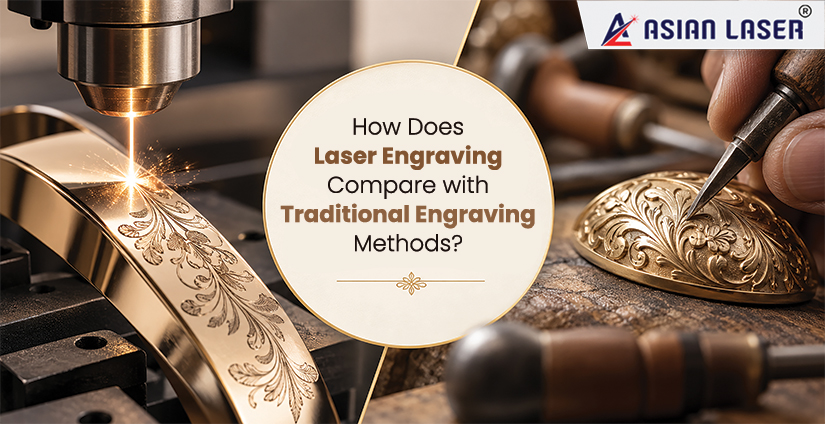
How Does Laser Engraving Compare with Traditional Engraving Methods?
Laser engraving and traditional engraving both create permanent designs, lettering, or patterns on a material, but they use different techniques. Laser engraving uses a focused beam of light to alter a surface, while traditional engraving generally uses a cutting tool or hand-operated instrument to remove material and form a design. The right method depends on the material, design complexity, production volume, desired appearance, and available budget.
For jewellery manufacturers and retailers, the choice can affect everything from personalisation speed to the consistency of finished pieces. Laser engraving can be useful for detailed text, serial numbers, logos, and intricate patterns, while traditional hand engraving remains valued for its craftsmanship and distinctive artistic character.
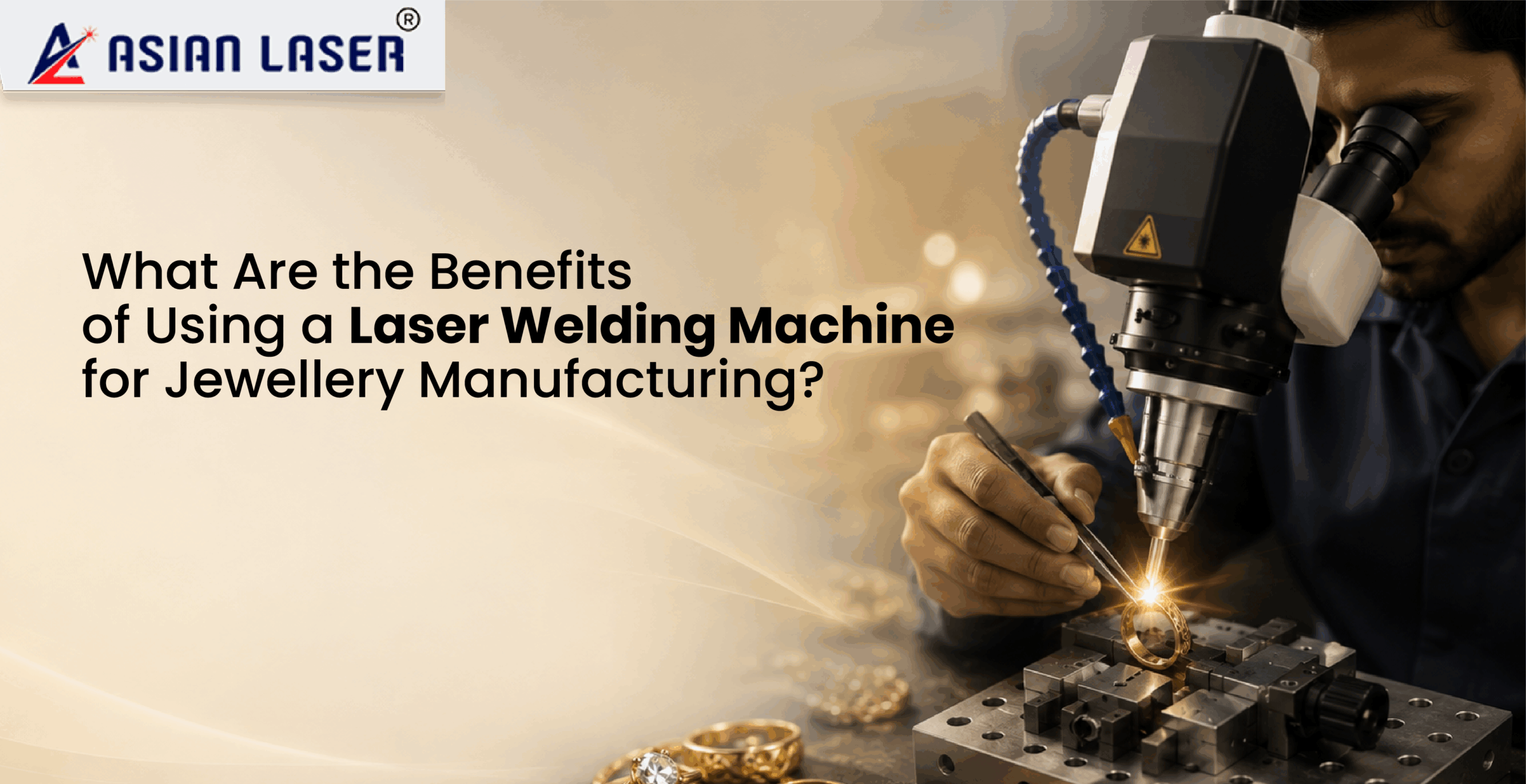
Understanding the differences helps businesses choose a method that suits their products and customers. It also helps buyers distinguish engraving equipment from other laser technologies, such as laser welding, which joins metal rather than creating decorative marks.
What Is Laser Engraving?
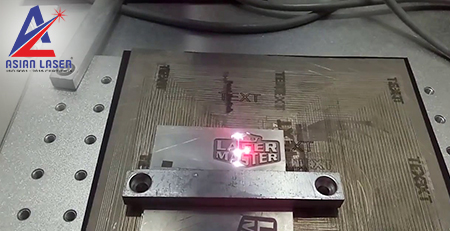
Laser engraving is a marking process that uses concentrated laser energy to change a material’s surface. Depending on the material and laser settings, the beam may remove a small amount of material, create a recessed mark, or produce a visible contrast through a surface reaction.
A computer-controlled system can guide the laser according to a digital design. This makes it possible to reproduce lettering, symbols, logos, and complex artwork with a high degree of consistency, provided the material and machine are suitable for the task.
In jewellery applications, laser engraving may be used for names, dates, initials, identification numbers, and decorative details. However, the result depends on the type of metal, surface finish, coating, laser source, and selected settings. Not every laser engraver is suitable for every jewellery material, so compatibility should be confirmed before purchasing equipment.
What Is Traditional Engraving?
Traditional engraving uses physical tools to cut, scratch, or remove material from a surface. It includes hand engraving, in which a skilled craftsperson guides a graver or similar tool, and mechanical engraving, in which a machine moves a cutting tool along a programmed or guided path.
Hand engraving is especially valued for artistic work. An experienced engraver can vary line depth, width, direction, and texture to create patterns with a distinctive handcrafted appearance. This makes the technique appealing for bespoke jewellery, decorative details, and pieces where the maker’s skill is part of the product’s value.
Mechanical engraving can also provide repeatable results for suitable designs. However, because traditional methods generally involve physical contact with the workpiece, tool condition, material hardness, workpiece stability, and operator technique can affect the final result.
Laser Engraving vs. Traditional Engraving: Key Differences
The main difference is how each method creates a mark. Laser engraving uses concentrated energy, while traditional engraving typically uses a physical cutting tool. That distinction affects precision, workflow, design flexibility, and the type of finish a manufacturer can achieve.
| Comparison factor | Laser engraving | Traditional engraving |
| Engraving method | Focused laser energy changes or removes surface material | A physical tool cuts or removes material |
| Design input | Often works from digital artwork or computer-controlled paths | May be hand-guided or mechanically controlled |
| Fine detail | Suitable systems can reproduce small text and intricate designs | Depends on tool size, technique, and operator skill |
| Repeatability | High when settings, material, and positioning are consistent | Hand engraving can vary; mechanical systems can be repeatable |
| Physical contact | The laser does not need to touch the surface | Cutting tools generally contact the workpiece |
| Artistic character | Well suited to repeatable digital designs | Hand engraving offers distinctive handcrafted expression |
| Setup | Requires equipment, suitable settings, and design preparation | May require skilled manual preparation or machine setup |
| Suitable applications | Personalisation, logos, identification, decorative patterns | Artistic engraving, bespoke details, and traditional decorative work |
Neither method is universally better. A manufacturer producing hundreds of personalised items may value digital repeatability, while a customer commissioning an intricate handcrafted design may prefer traditional engraving.
What Are the Benefits of Laser Engraving?
1. Detailed and Consistent Marking
Laser engraving can reproduce fine lettering, symbols, and intricate designs when the equipment, material, and settings support the required detail. This can be useful for jewellery businesses that engrave customer names, dates, initials, or logos on multiple products.
Because designs can be digitally prepared and reused, the process can help maintain consistency across similar items. This is especially valuable for repeat orders and branded products. Still, the final quality depends on correct focusing, workpiece positioning, material compatibility, and appropriate laser parameters.
2. Efficient Personalisation
Personalised jewellery often involves short names, initials, dates, or small custom designs. With a suitable laser engraving system, the design can be prepared digitally and adjusted for each order, making repeat personalisation more convenient.
This can support workshops and retailers handling a steady flow of customised products. However, overall turnaround time also includes preparing artwork, positioning the item, selecting settings, and inspecting the result. Laser engraving can streamline the marking stage, but the actual time savings should be assessed against the business’s current workflow.
3. No Engraving Tool Contact
Laser engraving creates marks without requiring a cutting tool to press against the workpiece. This can reduce concerns associated with physical tool pressure and tool wear at the point of marking.
That does not mean the process is entirely risk-free. Incorrect settings may damage a coating, create unwanted surface changes, or produce excessive heat. Jewellery items should be secured correctly, and suitable safety measures must be followed when operating laser equipment.
4. Flexible Digital Designs
A digital engraving workflow makes it easier to switch between text, logos, numbers, and decorative patterns without manufacturing a separate cutting tool for every design. This flexibility can be helpful for businesses offering custom products or frequently changing designs.
The range of possible results still depends on the laser system and material. Very small details, curved surfaces, reflective metals, and coated products may require specialised equipment or additional setup. Businesses should test sample pieces before accepting large orders.
What Are the Benefits of Traditional Engraving?
Traditional engraving remains relevant because it offers qualities that digital processes do not automatically reproduce. Hand engraving, in particular, allows the craftsperson to make subtle adjustments to line depth, shape, and movement as the design develops.
For luxury jewellery and bespoke pieces, the human touch can be an important part of the finished product. Customers may specifically request hand-cut patterns or decorative work that reflects a craftsperson’s individual style. Traditional engraving can also be suitable for certain jobs where a tactile cut or a particular groove profile is desired.
Mechanical engraving offers another option when a physical cutting process is appropriate. As with laser engraving, the quality and repeatability depend on the equipment, material, tooling, and operator. Traditional methods should not be treated as inherently less precise; skilled engravers can produce exceptionally detailed work.
Which Engraving Method Is Best for Jewellery?
The best method depends on the design and the expectations for the finished piece. Laser engraving may be a strong option for repeated personalisation, small text, logos, and designs that need consistent reproduction. Traditional hand engraving may be preferable for bespoke decorative work where individual craftsmanship is central to the result.
Material is another important consideration. Gold, silver, platinum, stainless steel, plated jewellery, and coated surfaces may react differently to engraving. A system that works well on one material may produce a different result on another, so the machine’s specifications and material compatibility must be checked.
Gemstones, glued components, heat-sensitive treatments, and delicate finishes also need attention. Before engraving an assembled piece, assess whether the process could affect surrounding materials. A supplier demonstration using a representative sample is one of the most practical ways to evaluate the finish.
How Much Does Laser Engraving Cost Compared with Traditional Engraving?
The cost depends on the type of equipment, production volume, design complexity, labour, and maintenance requirements. Laser engraving requires an upfront investment in suitable equipment and may involve software, ventilation, safety systems, training, and servicing. Traditional hand engraving may require less machinery, but labour costs can be significant when the work depends on specialist craftsmanship.
For a business processing many similar or personalised items, laser engraving may become more economical if it reduces handling time and supports repeatable production. For occasional bespoke pieces, investing in a laser system may not be justified, particularly if traditional engraving already meets customer needs.
Rather than comparing purchase prices alone, businesses should calculate the total cost per finished item. Include preparation, engraving time, finishing, inspection, maintenance, and the cost of rejected or damaged pieces. This provides a more realistic basis for deciding which method fits the business.
How Does Asian Laser Fit into Jewellery Manufacturing?
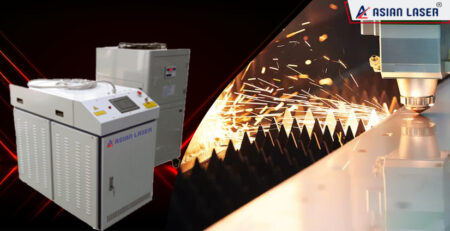
Asian Laser’s jewellery laser-welding products are relevant to workshops exploring laser technology, but laser welding and laser engraving are different processes. Welding joins compatible metal components by melting material at the joint, while engraving creates a mark or design on a surface. A welding machine should not be assumed to provide engraving or cutting functions unless the manufacturer explicitly confirms those capabilities.
Asian Laser product pages available for reference include the Potenza 225 compact laser welding machine and the Fino 100 compact laser welding machine.
For workshops that require engraving names, logos, or decorative patterns alongside cutting applications, ask the supplier about a suitable laser engraving and cutting machine rather than assuming a welding machine offers these functions. Confirm the model’s engraving and cutting capabilities, supported materials, achievable marking depth, cutting capacity, software compatibility, safety requirements, and after-sales service against current product documentation before purchasing.
Conclusion
Laser engraving and traditional engraving serve different needs. Laser engraving offers a digital approach that can support detailed marking, repeatability, and efficient personalisation, while traditional engraving remains valuable for handcrafted artistry and distinctive cut patterns.
For jewellery manufacturers and retailers, the best choice depends on material compatibility, design complexity, production volume, desired appearance, and budget. Testing representative samples and calculating the total cost per finished item can help businesses make a more informed decision.
If you are researching laser technology for a jewellery workshop, remember to distinguish engraving equipment from laser welding machines. Choosing the correct process is the first step towards achieving the finish, consistency, and efficiency your products require.
Frequently Asked Questions
1. Is laser engraving better than traditional engraving?
Laser engraving can be better for repeatable digital designs, detailed personalisation, and consistent marking. Traditional engraving may be better for handcrafted decorative work. The best method depends on the design, material, budget, and required finish.
2. Can laser engraving be used on gold and silver jewellery?
Suitable laser engraving systems can mark gold and silver, but the result depends on the alloy, surface finish, equipment, and settings. Confirm material compatibility and test a sample before engraving a valuable item.
3. Does laser engraving damage jewellery?
Incorrect settings can cause unwanted surface changes or damage coatings and nearby components. Proper equipment selection, parameter adjustment, secure positioning, and testing help reduce these risks.
4. Is laser engraving faster than hand engraving?
Laser engraving can be more efficient for repeated digital designs and personalised orders. Hand engraving may be preferable for individual artistic pieces. Actual production time depends on setup, complexity, operator skill, and finishing requirements.
5. What is the difference between laser engraving and laser welding?
Laser engraving creates marks or designs on a surface by changing or removing material. Laser welding joins compatible metal components by melting material at the joint. They serve different purposes and require equipment designed for the intended process.